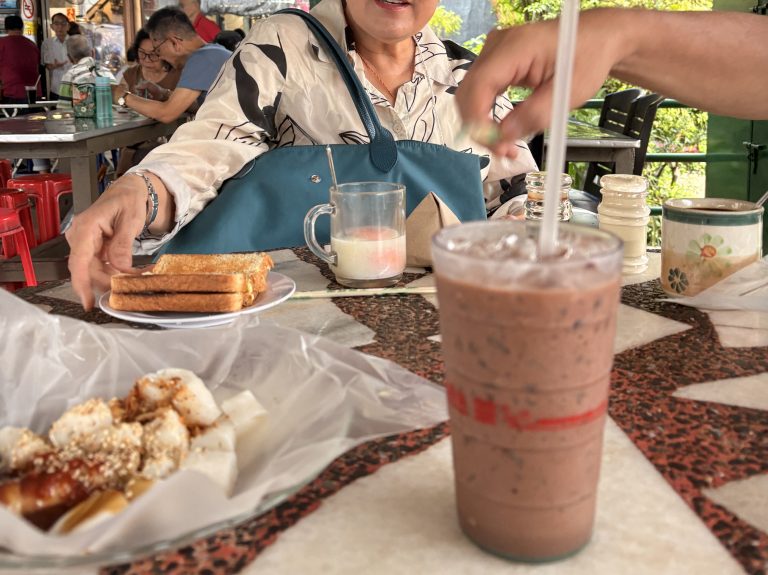
When people gather around a shared mat, the room changes. Shoes collect quietly by the door. Plates appear in the centre of the floor. Someone pours tea while another adjusts a cushion. A few people pause briefly, reading the room before deciding where to sit.
These gestures are small and easily overlooked yet together they shape the atmosphere of the gathering.
The mat slowly becomes a place where people settle – passing dishes, shifting slightly to make space, noticing who has arrived and who is still standing.
Just as a door marks arrival, the table or mat marks relational presence. It is where people sit long enough to notice one another.
To think about access through the shared mat is to think about hospitality as infrastructure. Not hospitality offered by a single host but something that moves between people – an unfolding practice of noticing, adjusting and making space.
At the shared mat, hosting is no longer directional. Participants move between roles of host and guest, contributing to the atmosphere of the gathering through small acts of attentiveness. In this way, access is not something delivered by a facilitator. It is something the room quietly sustains together.
The Shared Mat
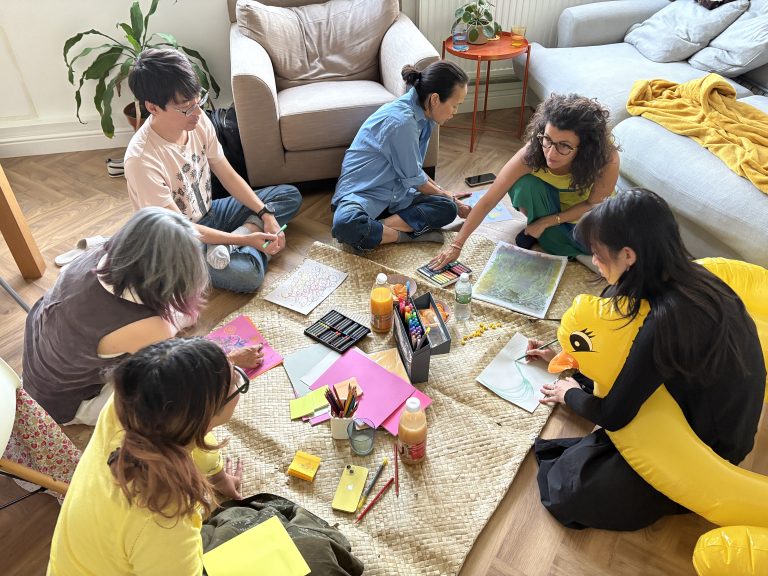
These ideas came into focus during a workshop I co-ran with artist Yasmine Aminanda titled The Shared Mat.
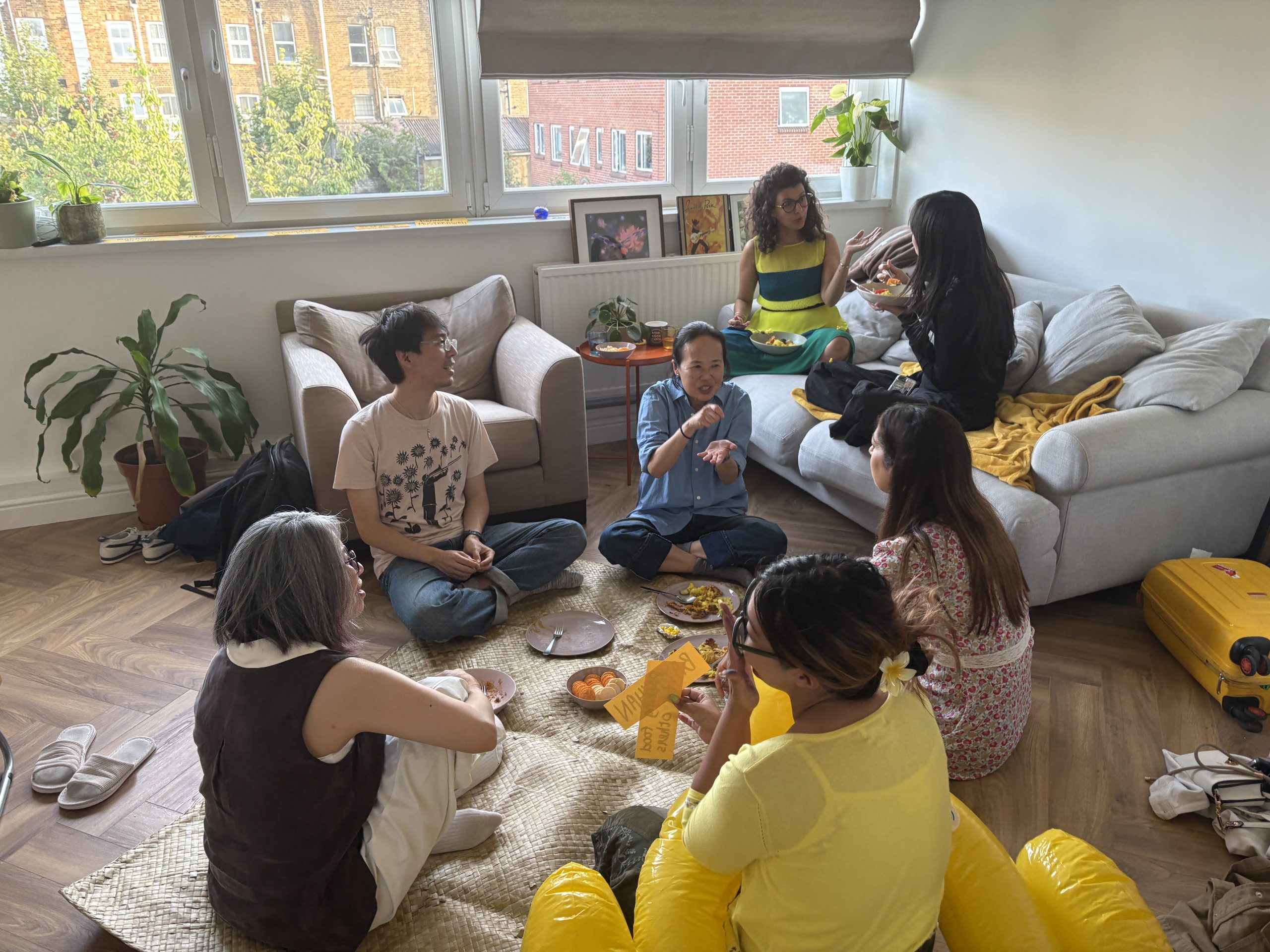
We hosted the gathering in my home in North London with a small group of artists, curators and creative practitioners. Many of the participants had never met before.
The workshop began without a clear beginning.
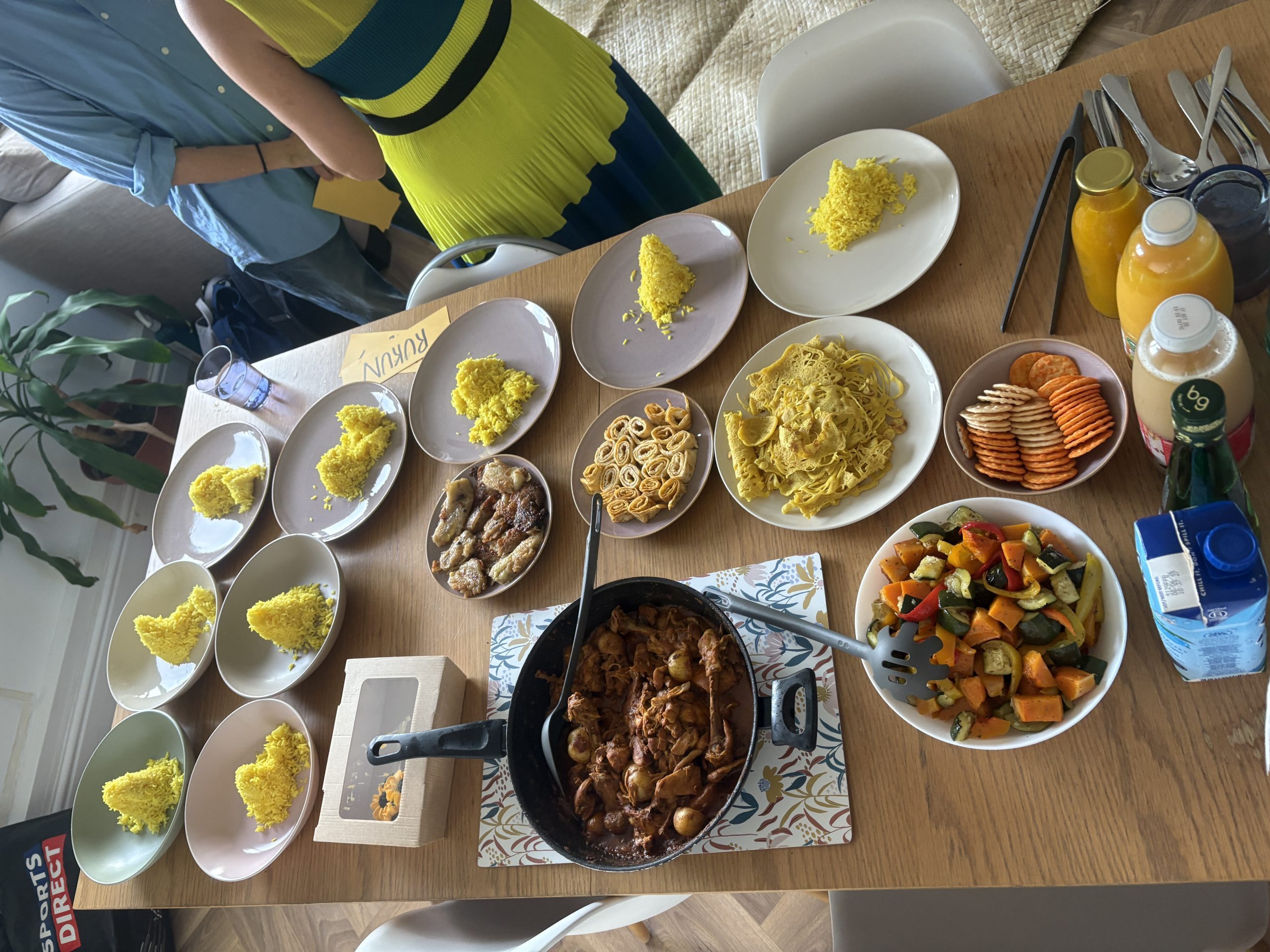
Someone lifted the lid from a pot of chicken rendang. Another reached for pisang goreng while asking a stranger where they had travelled from. A few people arrived early and quietly helped to arrange dishes and mats on the floor.
Others stood watching the room for a moment before deciding where to sit. People moved through the space at their own pace. Before we had formally introduced the workshop, something of its structure was already present.
Setting the mat
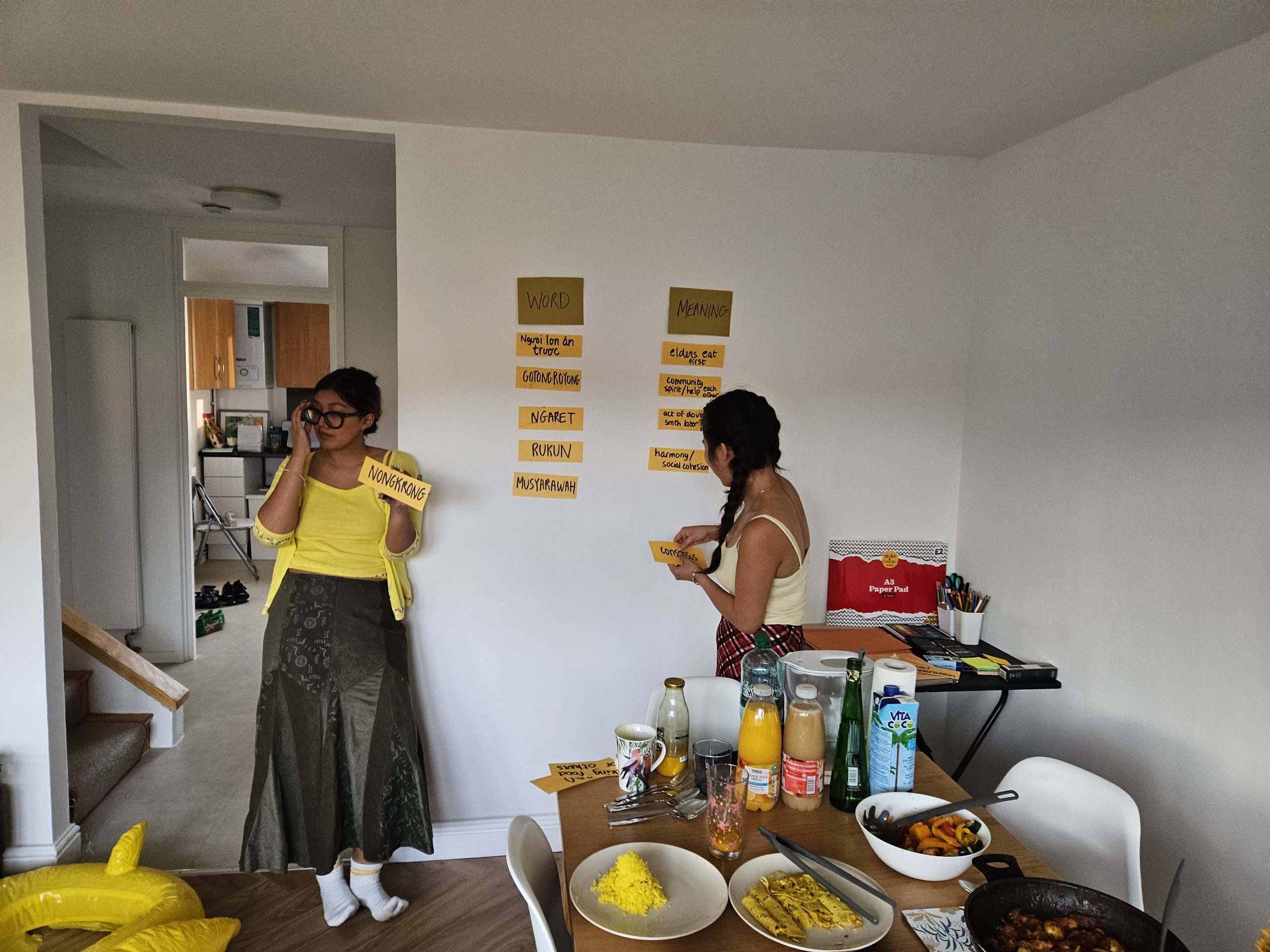
We opened the day with a simple exercise built around Southeast Asian concepts that resonate with relational ways of working.
Words were placed around the room. Gotong royong (mutual cooperation), bayanihan (collective helping), nongkrong (spending time together informally), musyawarah (deliberation and consensus) and rukun (social harmony).
Participants moved around the space matching each word with its meaning. Soon the room filled with conversation. People compared interpretations, shared experiences and reflected on how these values appeared in their own collaborations. The exercise set the tone for the workshop.
Relational access was not something we would deliver. It was something we would practice together.
Hospitality became mutual. Everyone present was both hosting and being hosted as the space unfolded.
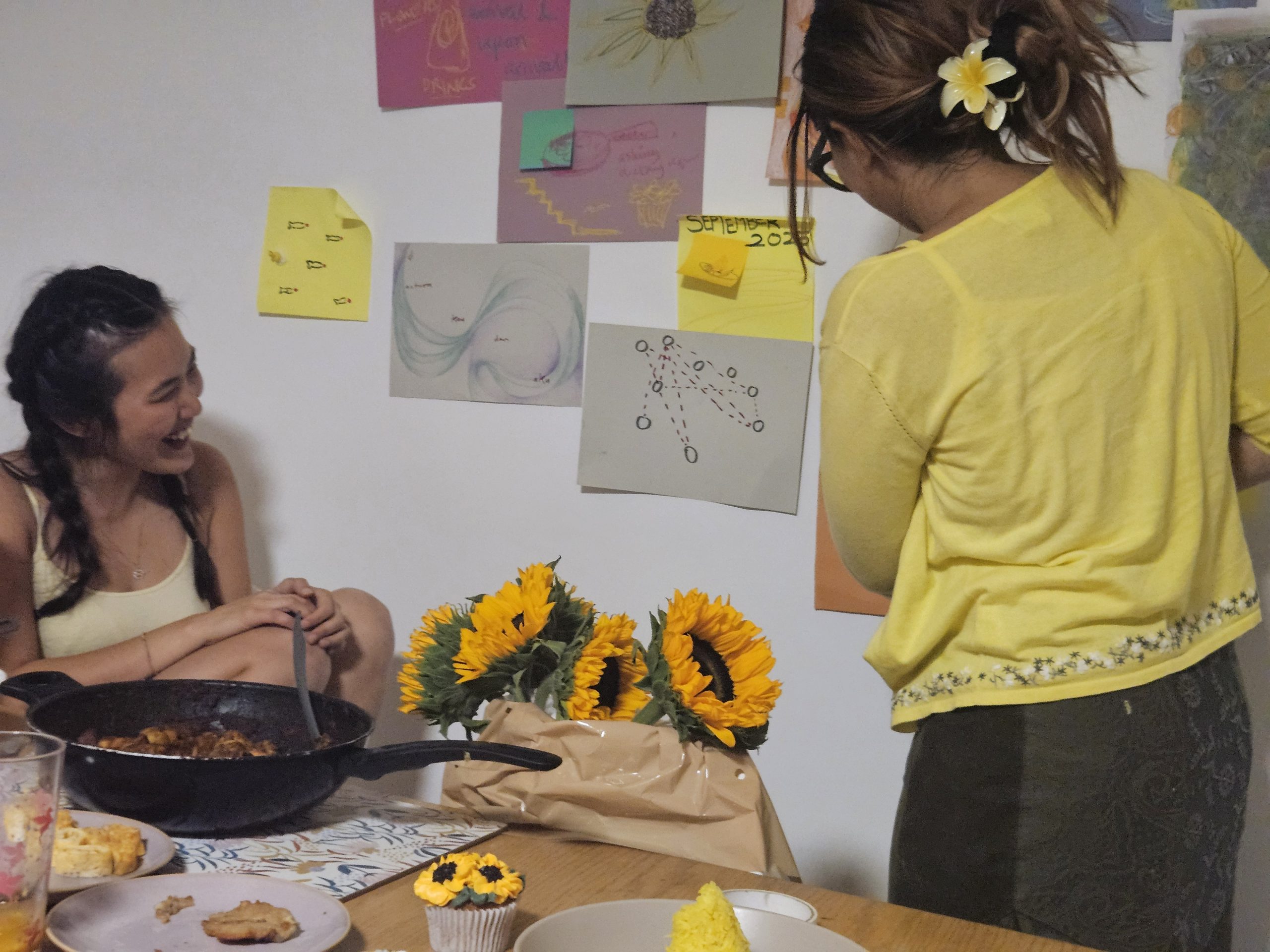
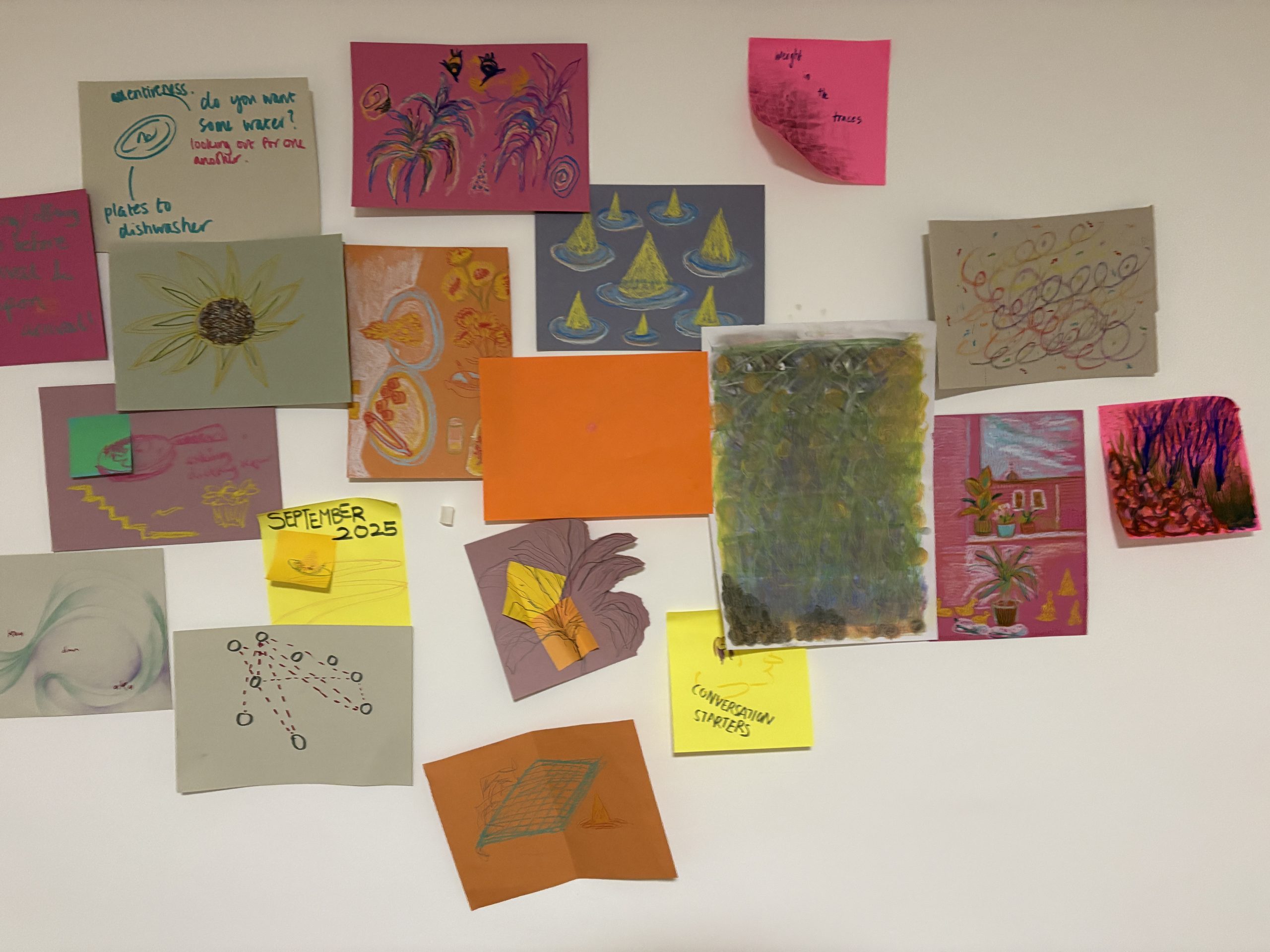
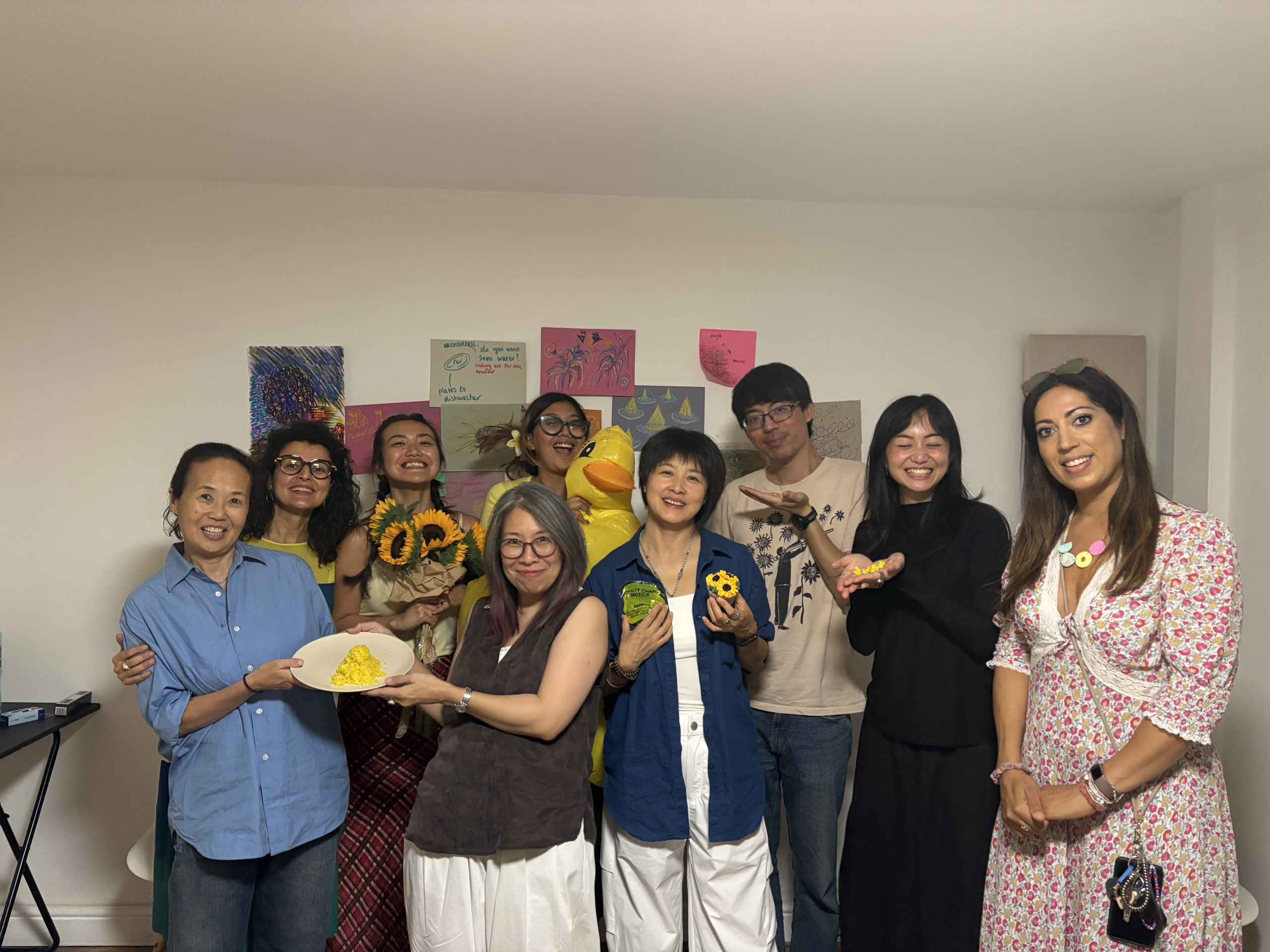
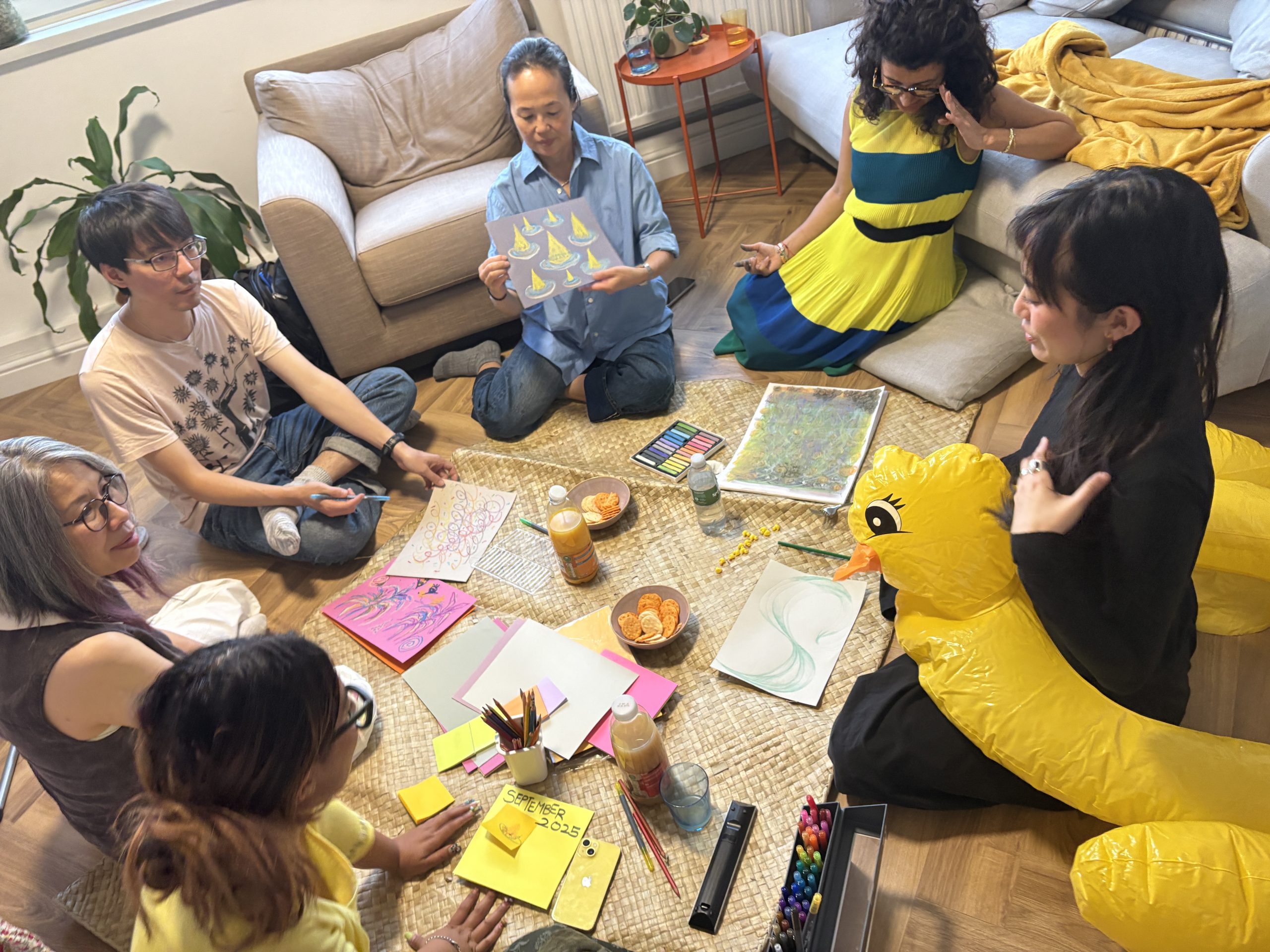
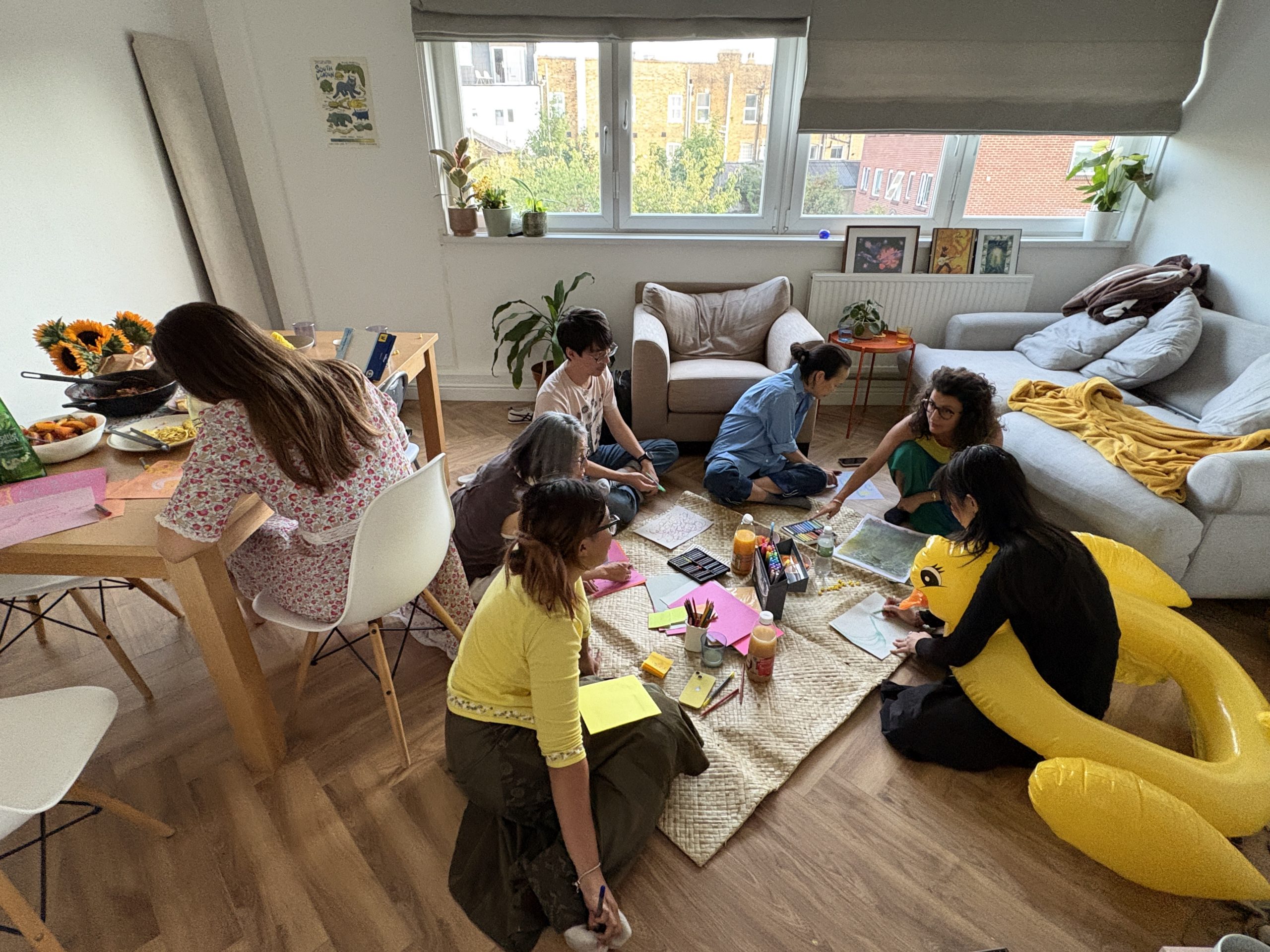
As people settled around the mat, the room began to find its pace.
Someone passed a dish across the mat, waiting a moment to see who might reach for it. Another offered tea to a participant who had just arrived. At one point someone noticed another participant shifting slightly and quietly slid a cushion closer without interrupting the conversation.
None of these gestures were announced. Yet each one subtly reshaped the conditions of the room.
These adjustments might be described as affordances, the possibilities environments offer for action, a concept introduced by James J. Gibson. A cushion affords comfort. A slower pace affords participation.
What the shared mat revealed, however, was how these possibilities were sustained through ongoing attentiveness between people.
Anthropologist Marcel Mauss once described social life as sustained through cycles of giving and receiving. Around the mat, care moved in a similar manner; it is offered, received and quietly returned.
In these moments, the workshop revealed what I described previously as relational infrastructure, the subtle network of attentiveness that allows accessibility to remain responsive as situations evolve.
At the shared mat, access was not something delivered by a facilitator. It was something participants collectively maintained.
Designing participation
Relational access is not only about encouraging participation but about making space for different ways of engaging.
An influence on this thinking came from my time supporting artist Alison Lam at Mind the Gap. In workshops with autistic communities, participants used a simple system of white/gold card. A gold card meant someone wished to speak; a white card meant they preferred to remain quiet. Everyone in the room respected these signals without further questions.
The gesture was small but powerful. It allowed people to regulate their participation without needing to justify their choice.
Inspired by this approach, we layered participation within The Shared Mat workshop.
Some activities invited spoken discussion. Others allowed for quiet reflection where participants could respond through writing, drawing or observation. Contribution took many forms.
Sometimes conversation filled the room. At other moments the space grew quieter as people paused to think, write or simply watch the unfolding discussion.
Silence was not absence. It was another way of being present together. No one seemed in a hurry to fill it.
Relational attentiveness also requires restraint. Too much care can become overwhelming. Attention can slide into obligation.
Throughout the workshop we tried to remain attentive to this balance. How do we notice when someone might need support without assuming they want it? How do we invite contribution without creating pressure to perform participation?
Relational access lives within this tension, between attentiveness and autonomy.
As the day unfolded another dynamic became visible. Even when hospitality moves between people, some participants inevitably carry more of the labour of holding the space. Someone prepares the food. Someone keeps an eye on the room. Someone notices when a conversation needs to slow down.
Relational access therefore raises an important question – how is the labour of care distributed? Shared hosting should not quietly become invisible work carried by only a few participants. Recognising these dynamics is part of sustaining relational environments responsibly.
As the evening ended, the room slowly began to clear. Plates were stacked into the dishwasher. Leftover food was packed into containers. Conversations lingered near the doorway.
People who had arrived as strangers only hours earlier began comparing routes home, offering lifts to one another, making space in their cars.
The mat had already been rolled away. Yet something of its atmosphere remained.
The shared mat offered a glimpse of what becomes possible when hospitality becomes mutual rather than directional. It revealed relational access as a lived practice of attentiveness – one sustained through gestures of care, shared responsibility and ongoing negotiation. Yet it also raised questions that continue to guide my research.
How do we ensure that relational care does not obscure structural responsibility?
How can institutions cultivate environments where hosting moves between participants without relying on invisible labour?
How might these practices adapt across cultures, scales and contexts?
Relational access resists easy measurement. It is felt rather than formalised, emergent rather than fixed.
The shared mat did not offer a final answer. But it revealed something essential, access is not only something we design or provide. It is also something we sustain together, often quietly, through the ways we gather, notice and make space for one another.
Sometimes it begins simply by sitting down together and sharing a meal.
This research by Celina Loh draws on Southeast Asian communal practices such as eating together as a starting point to explore how relational approaches might complement structural access frameworks in the UK arts and cultural sector. Beginning with shared meals, the work expands into collaborative listening, sound and facilitation practices, reflecting on how care and attentiveness circulate within creative environments.
At its centre is a simple question, how do people create conditions where others want to remain? Through workshops, shared meals and listening practices, the research explores how participants notice one another, adjust and begin to host each other. While access often takes shape through structures, this work considers how it is sustained in practice through the ways people respond and make space for one another and themselves.
Loh’s research is supported by the British Art Network (BAN). BAN is a Subject Specialist Network supported by Tate and the Paul Mellon Centre for Studies in British Art, with additional public funding provided by the National Lottery through Arts Council England.