Artists: Arabel Lebrusan, Charlie Fitz, Latifah A. Stranack, Mira Hirtz and Naomi Harwin
Curator: Celina Loh
Funded by Developing Your Creative Practice Grant, Arts Council England
About the project
Named after the Latin word for care, Cura grew out of three online residencies organised by In Transit Space. The residencies brought disabled artists together to explore access in their artistic practices, exchange ideas and develop new work. Each residency included an online exhibition, giving artists space to share their work digitally.
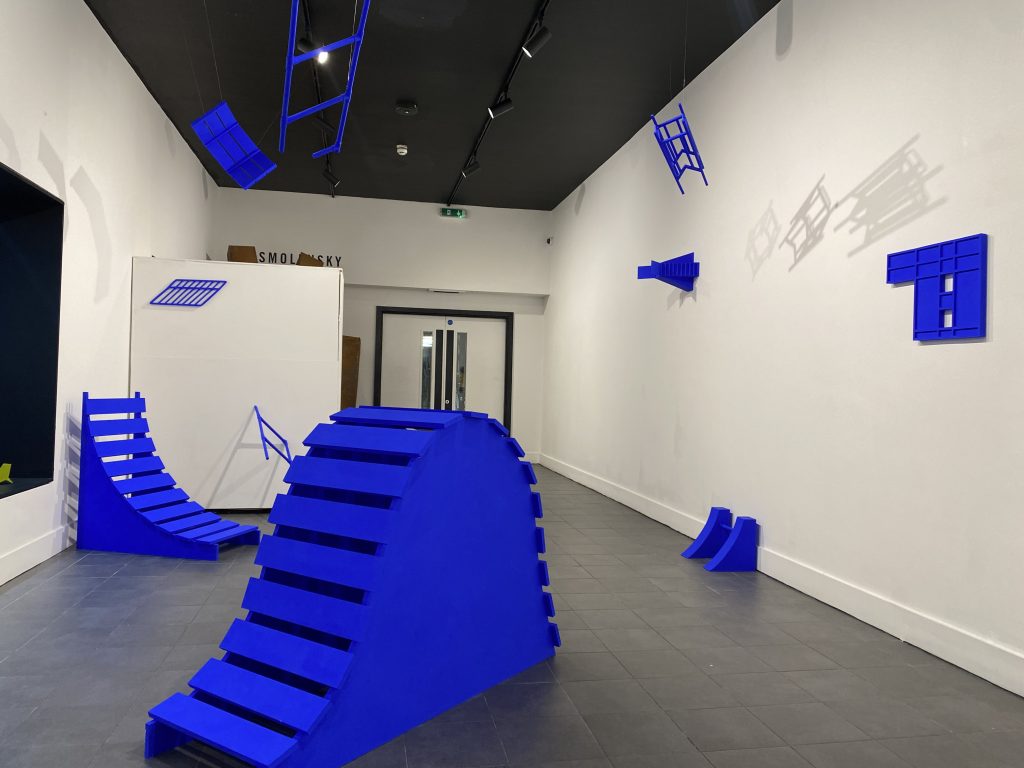
Cura brought selected artists from these residencies into In Transit’s first in-person exhibition. Bringing their work into a physical gallery opened up new questions about how audiences encounter art through materials, sound and touch.
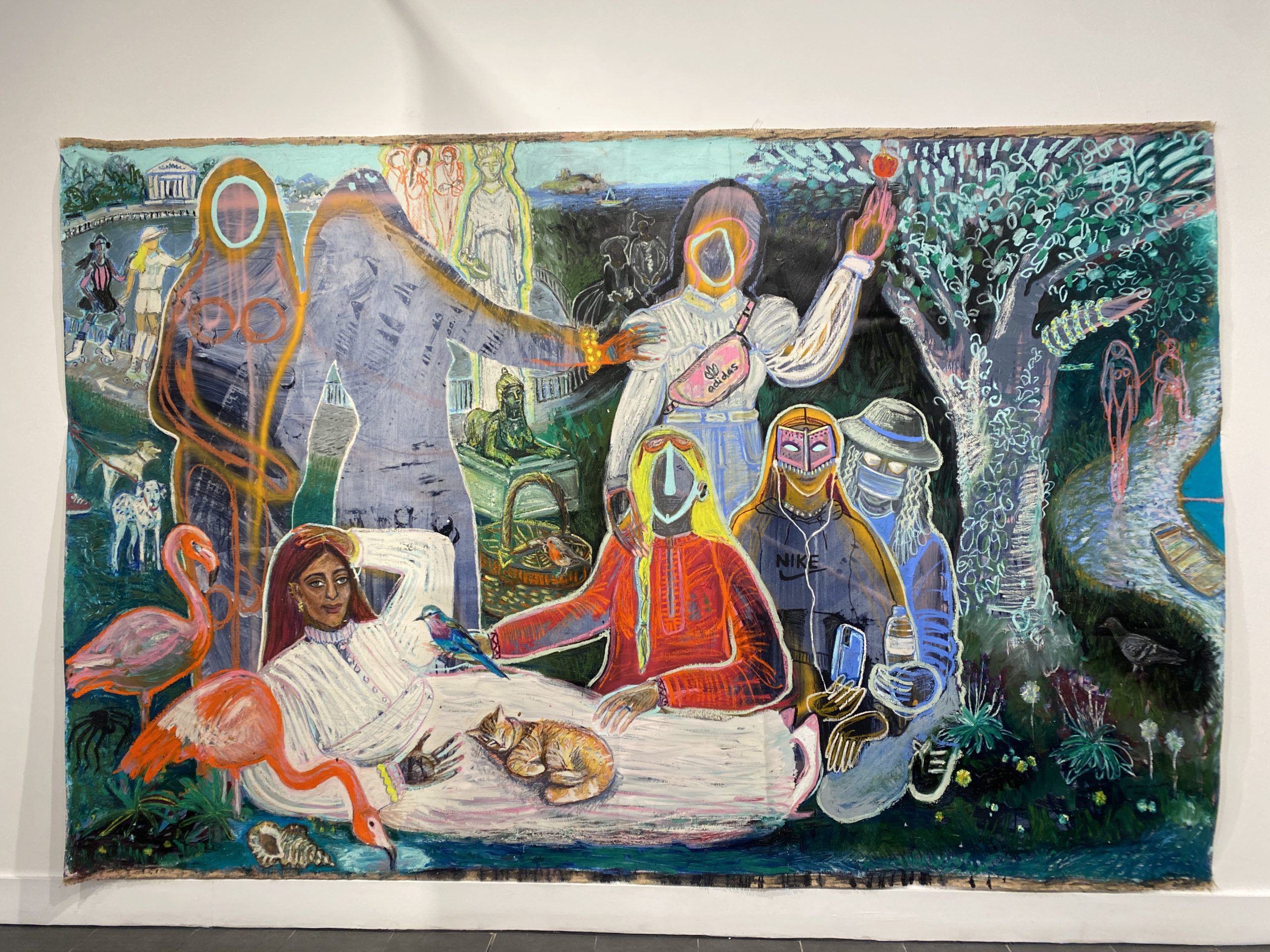
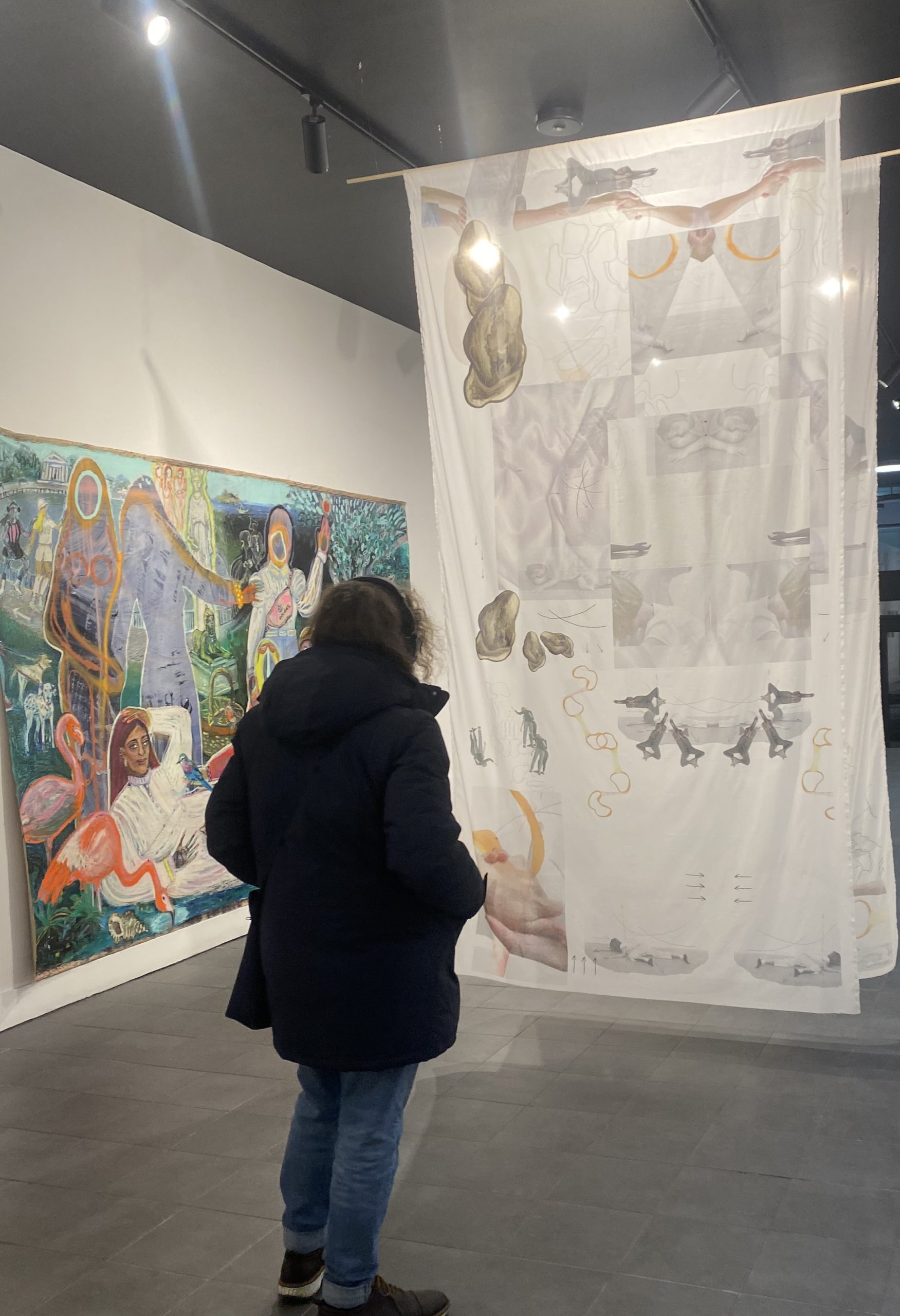
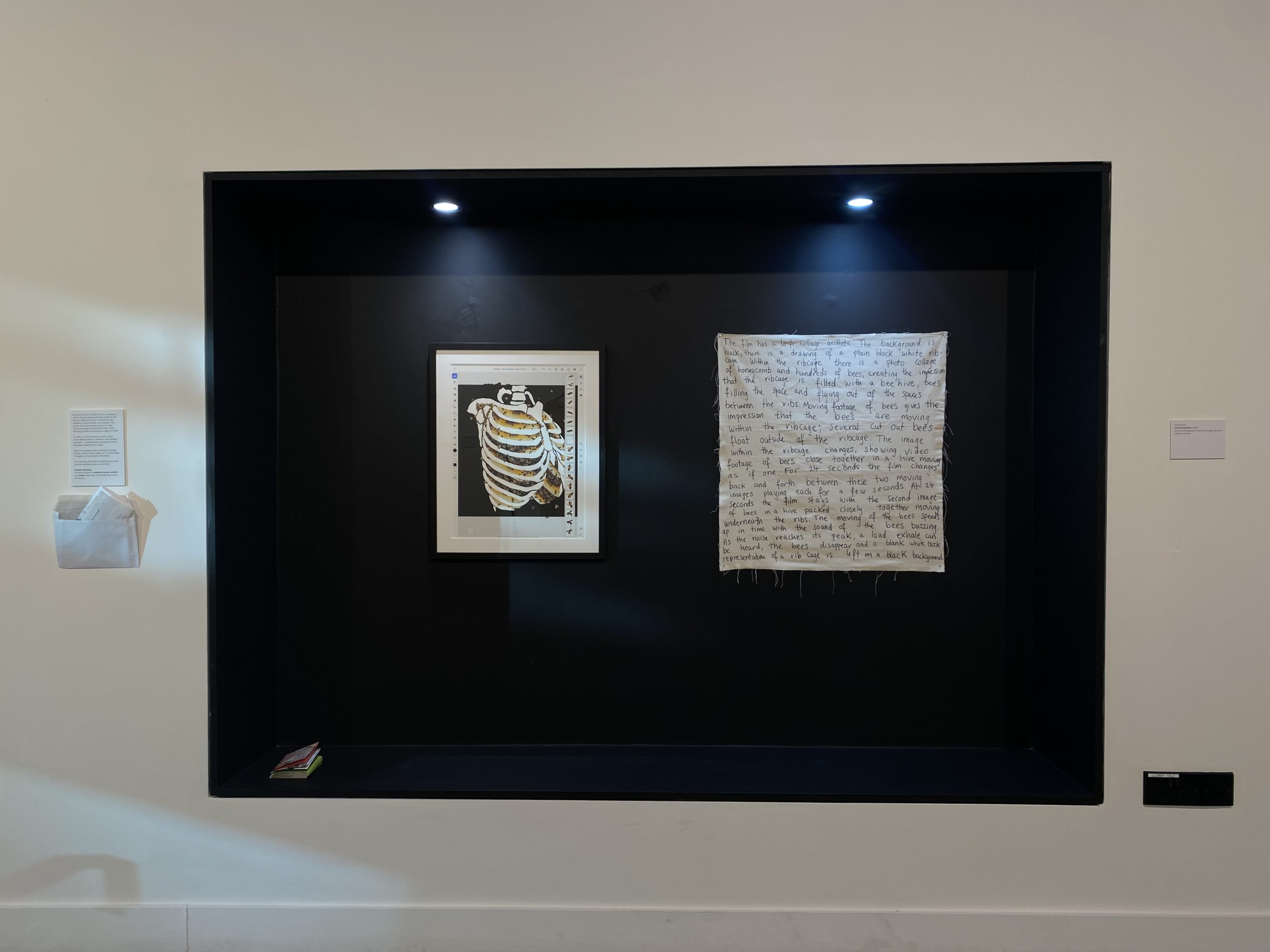
The exhibition brought together Arabel Lebrusan, Charlie Fitz, Latifah A. Stranack, Mira Hirtz and Naomi Harwin. Their work explored care through disability and chronic illness, architectural forms, relationships with nature and care for the more-than-human world.
Curating the exhibition
I worked with the artists to explore how access could shape the presentation of their work. These conversations began with each artist’s intentions and materials, considering what might happen when audiences could touch, listen to or encounter the work in other ways. Rather than following a fixed approach, we worked through the possibilities of each piece together.
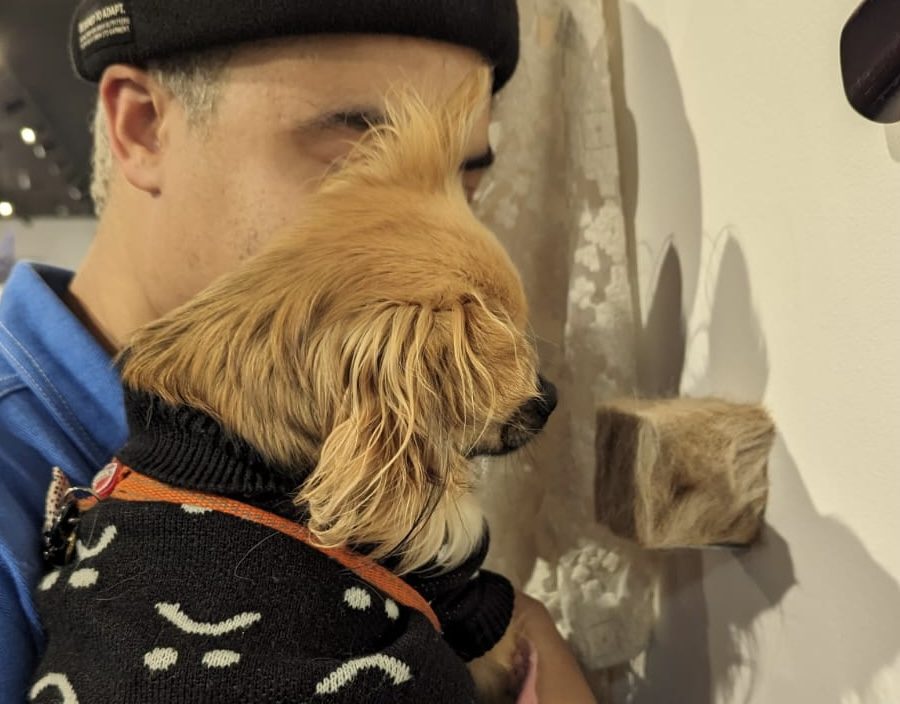
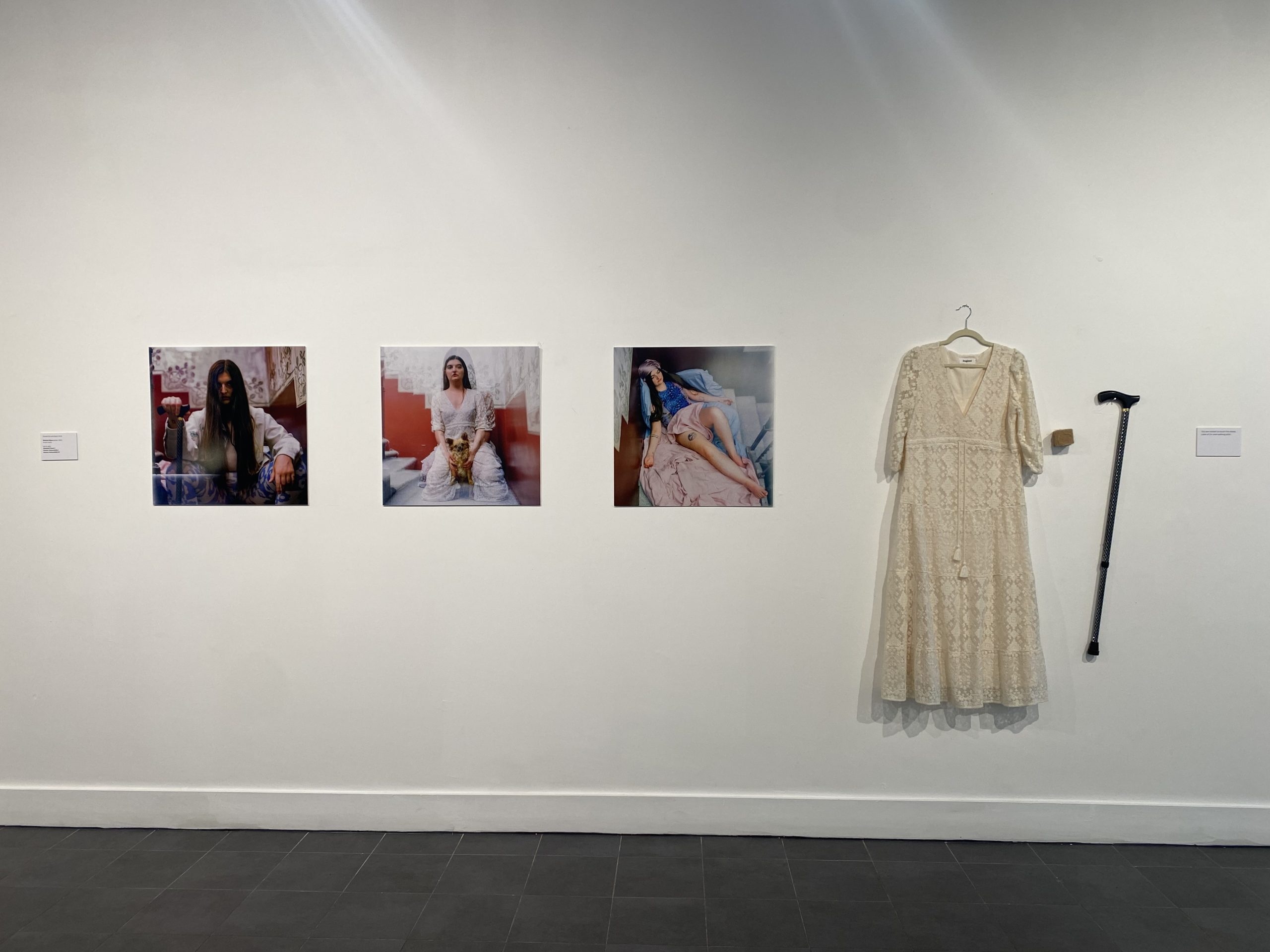
For Charlie Fitz’s photographic self-portrait, which shows her holding her dog Stanley while wearing a dress and using a walking stick, we displayed the dress alongside the photograph and created a tactile cube from Stanley’s fur. These additions brought the materials and relationships within the image into the gallery, giving visitors more to encounter than the photograph alone.
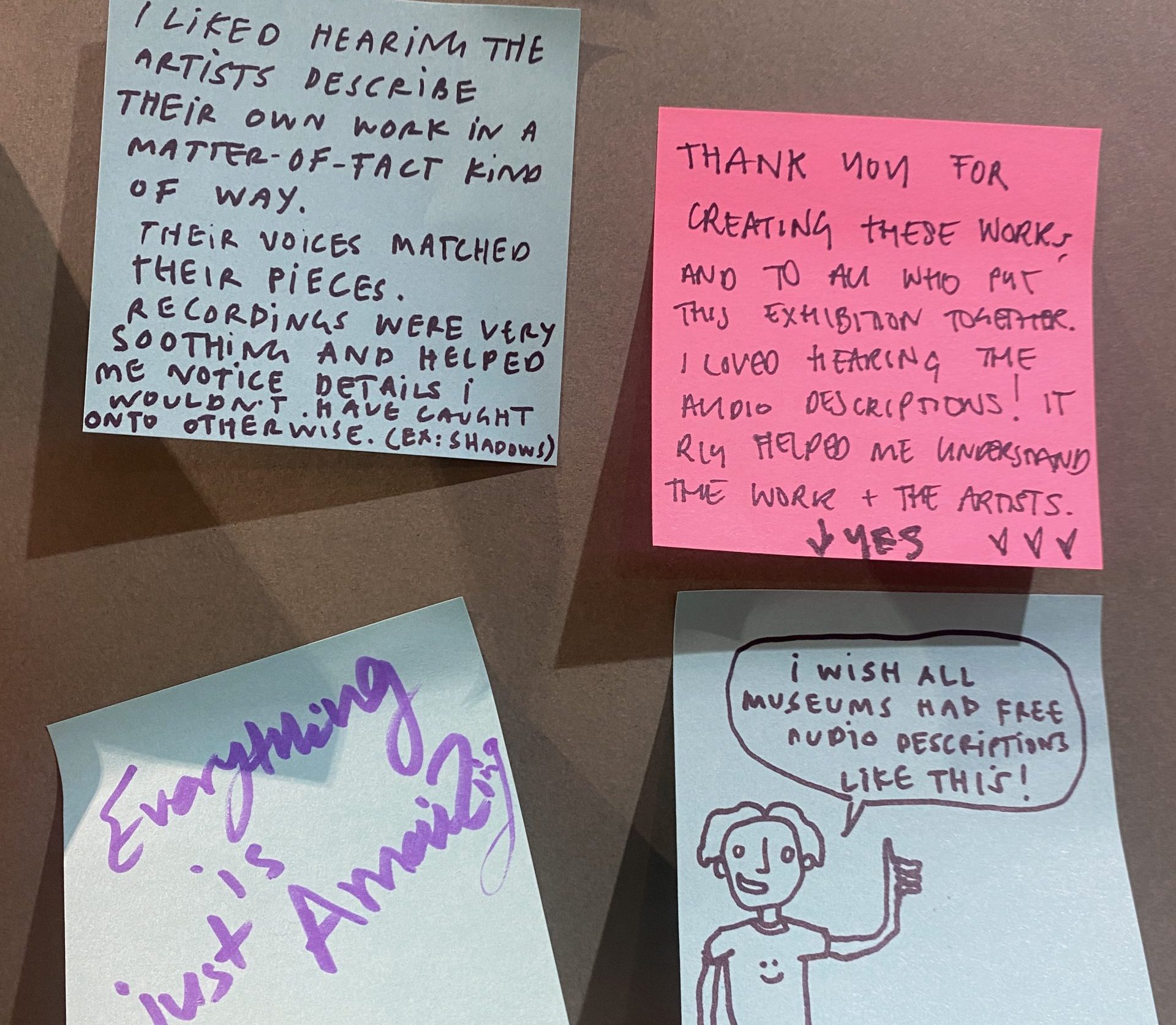
Mira Hirtz developed a poetic audio description that evoked shapes, textures and sensations rather than simply listing what was visible. Visitors who weren’t blind also chose to listen, with some saying it helped them notice details they might otherwise have missed.
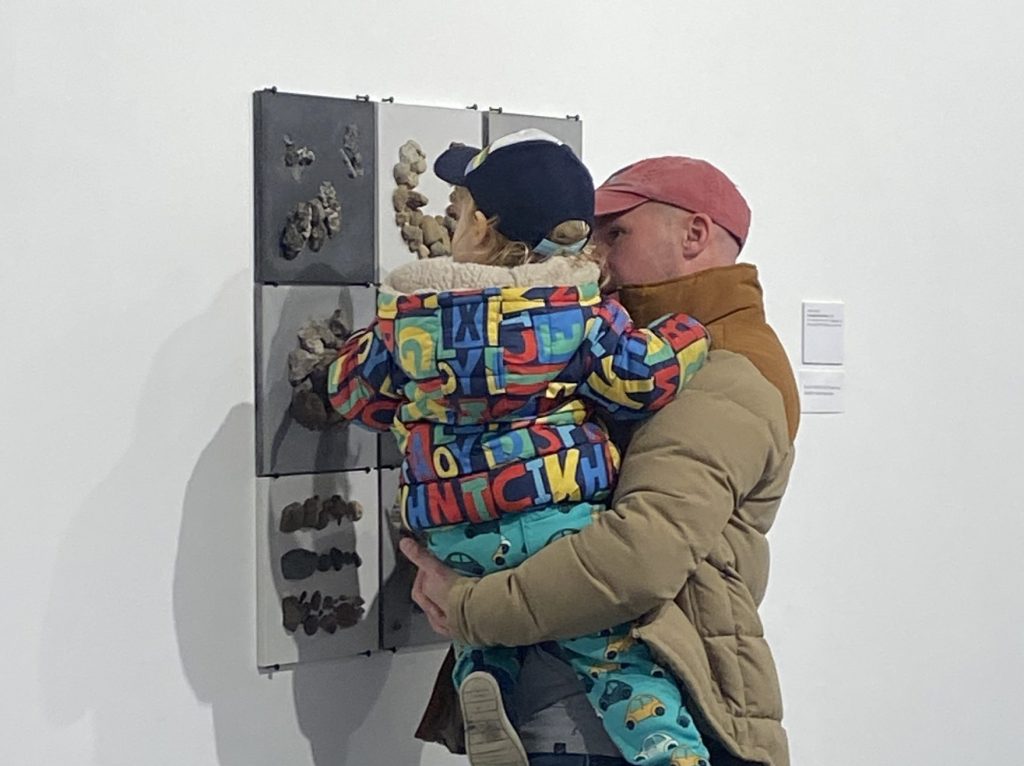
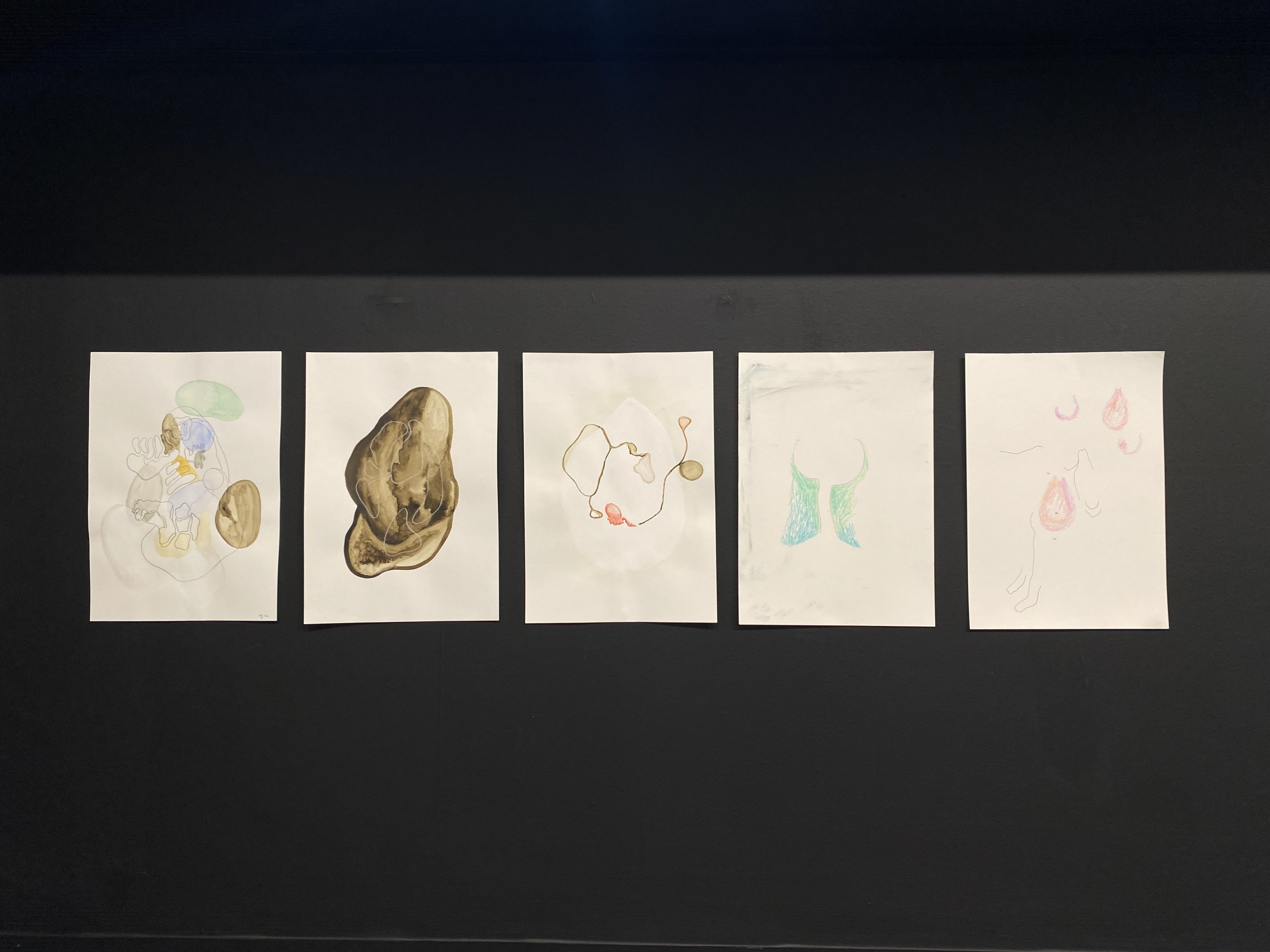
For Arabel Lebrusan’s series of nine tiles, we incorporated rocks collected along the River Mersey. Visitors could touch their surfaces and look closely at materials they might otherwise pass without noticing.
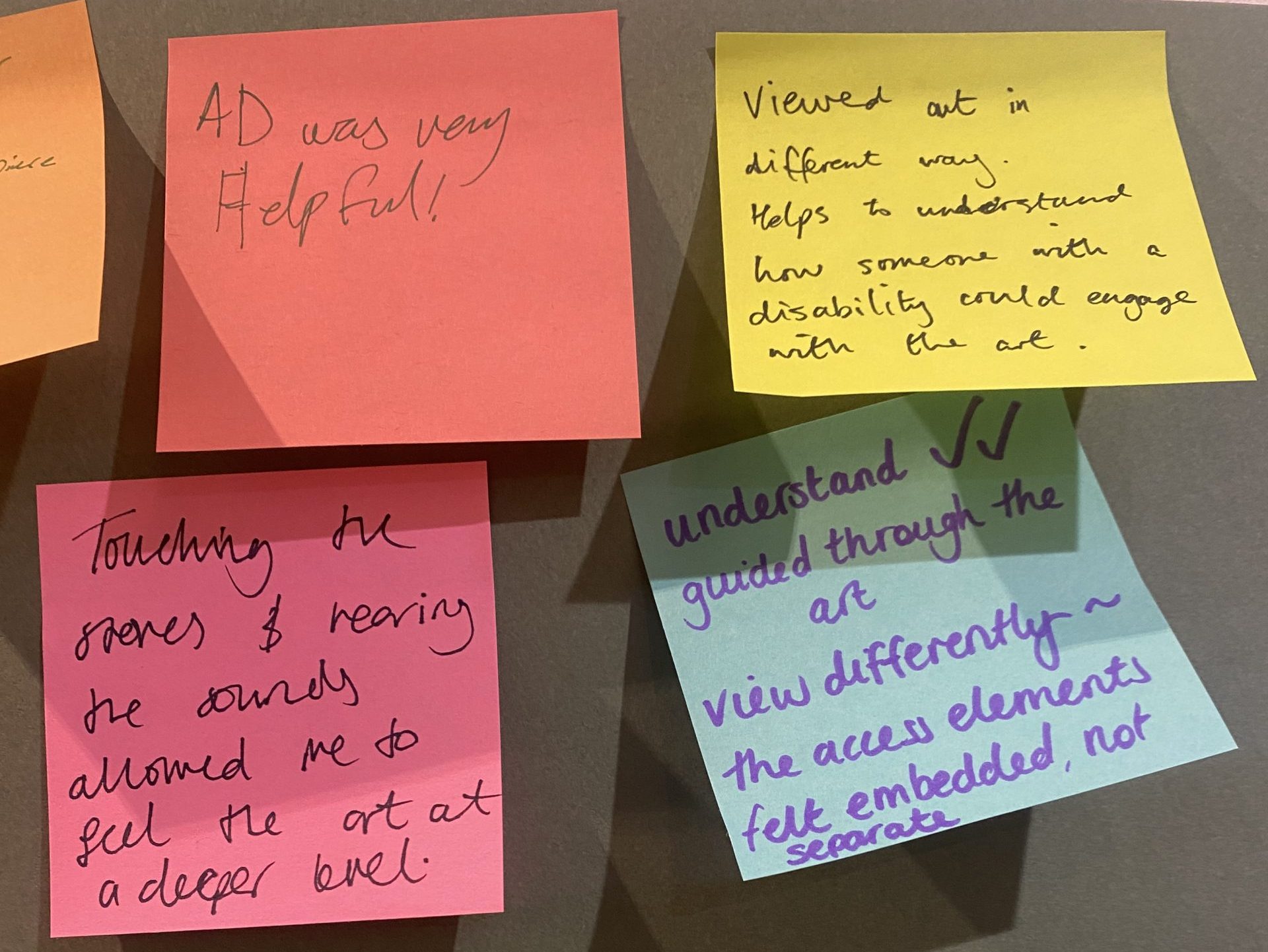
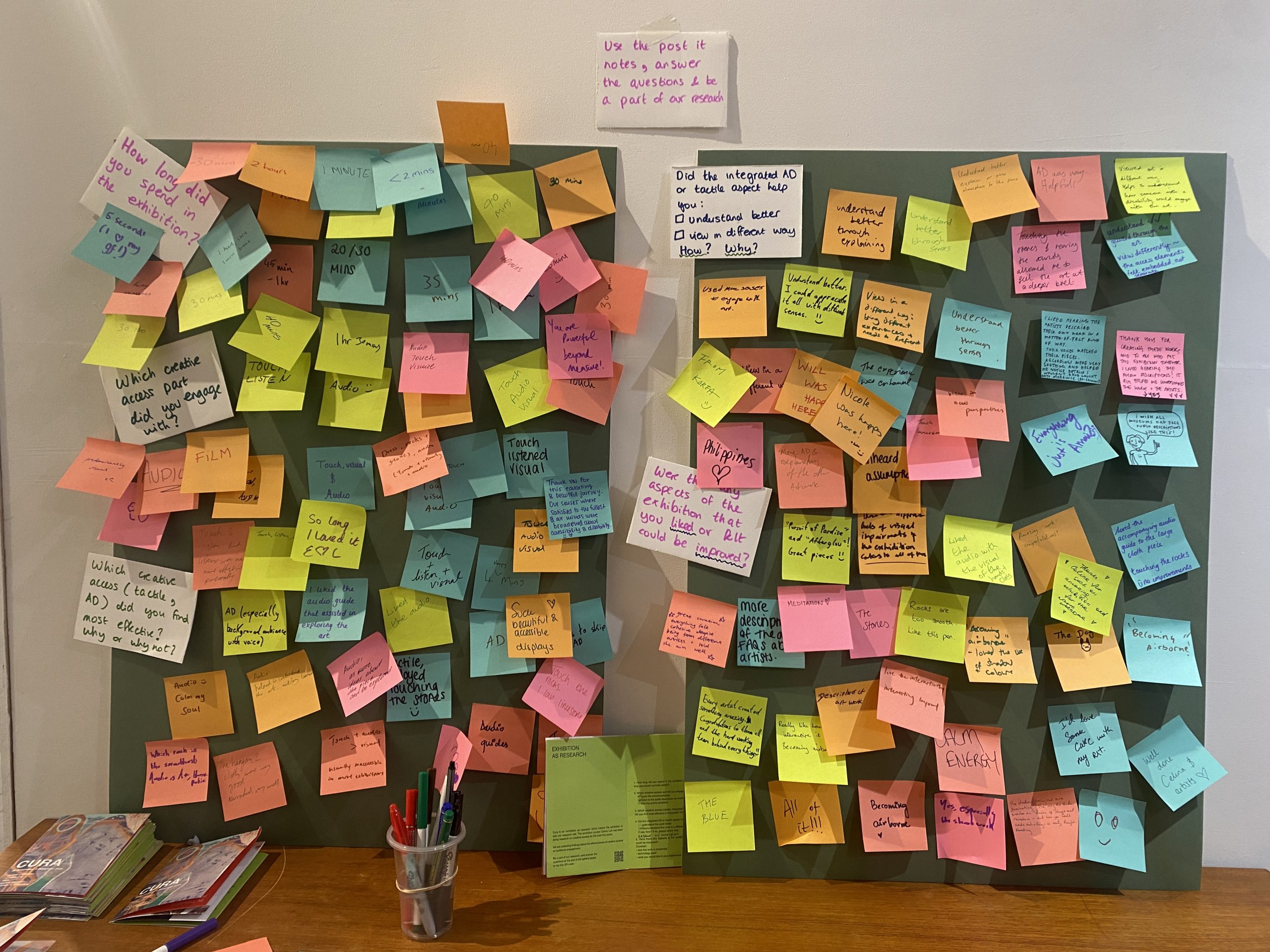
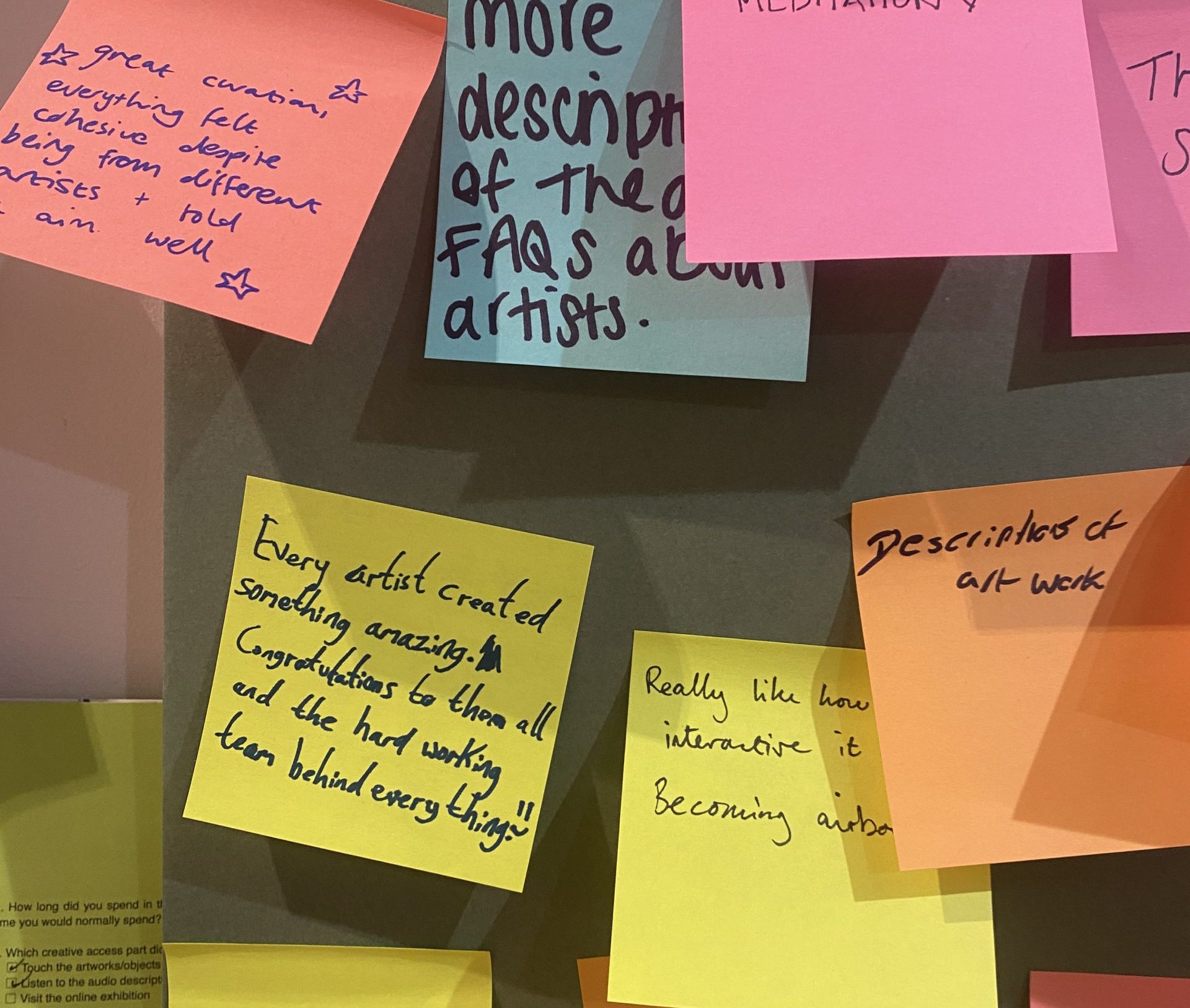
We gathered written and verbal feedback from visitors and observed how they engaged with the works and their accompanying access features. Tactile elements encouraged exploration, while audio description offered another way to notice and interpret what was in front of them.
These encounters brought the questions explored during the residencies into the gallery. What can touch reveal about an artwork? How might a poetic description change the way we look at an image? And what happens when access becomes part of the conversation about how a work is made and presented?
Cura connected artistic experimentation with audience experience, exploring how care could shape not only the subjects artists chose to work with, but also the ways their work reached others.